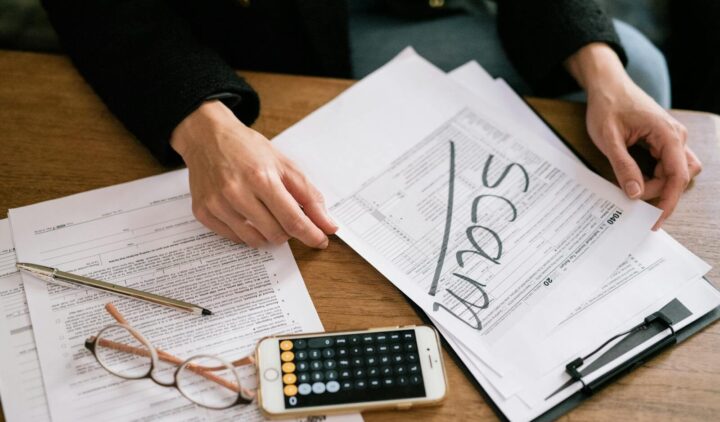
An online scam is any scheme delivered through digital communication channels that aims to steal personal information or defraud people of money. Being aware of potential scams is essential to protect your business, yourself, and especially your employees.
Cold calling scams
These scams involve callers attempting to impersonate a legitimate organization or government agency to extract personal or business payment details. They may try to sell fake products or services, or demand payment for a supposed overdue bill. Scammers use various tactics to achieve this, such as:
- Acting overly friendly and attempting to seem local by mentioning familiar events or weather.
- Using intimidation or threats, especially when requesting payment for what they say is an overdue bill.
- Referring to specific details about your business that they may have obtained from public or stolen sources.
- Asking accounting staff to pay an upfront fee for receiving a tax refund or a product.
- Applying pressure to make a quick decision, either through threats of legal action or by claiming the offer expires soon.
The better your frontline staff are trained to recognize the tactics used in cold calling scams, the better protected from potential losses your business will be.
Tech support scams
These are fraudsters impersonating well-known software or telecommunications companies, aiming to gain remote access to your business devices and network. They may provide several reasons for needing access, such as:
- Warning of a virus infection affecting others on your network.
- Offering a free system assessment to upgrade your operating system.
- Claiming to help check or improve your computer’s security.
- Threatening internet disconnection if access is denied.
- Alleging issues with your router or internet connection.
These scammers may also use screen pop-up messages instead of phone calls, trying to convince you that your device is infected or that you need more speed. In the worst cases, they may install malicious software like Trojans or keyloggers to capture login details and compromise online banking information. Make sure your employees understand these scams and never grant remote access or install software from unsolicited sources.
Email phishing scams
This is when a scammer sends an email that looks like it’s coming from your lender, a government department, or postal service. The email looks genuine, but a key letter or number may be missing, or added. The sender may request payment to release a package, claim a refund, or report fraudulent activity on your account.
Fake invoice scams
These occur when fraudsters send counterfeit invoices to your accounts payable email address, often targeting the personnel responsible for processing payments. These invoices look legitimate, featuring official logos, similar formatting to past invoices, and even reference numbers. The goal is to trick the recipient into approving the payment without verifying the legitimacy of the goods or services listed.
Receiving unsolicited goods
This is when businesses receive products or services that were never ordered, accompanied by an invoice demanding payment. This scam often relies on the assumption that businesses will feel pressured to pay for items they didn’t request rather than dealing with the hassle of returning them. The scammers may follow up with phone calls, insisting on payment and threatening legal action if the invoice goes unpaid.
Unwanted subscriptions and trials
Scammers may enroll your business in software services without your consent. This often happens when signing up for a free trial that later converts to a paid subscription, which can be difficult to cancel once payments begin.
What to do
Establishing clear rules for engaging with external contacts is essential in safeguarding your business from scams.
In addition to these general guidelines, consider implementing the following best practices:
- Equip your team with the knowledge to recognize suspicious transactions, calls, emails, or other unsolicited approaches. Regular training sessions can keep staff informed about the latest scam tactics and enhance their ability to identify potential threats.
- Make sure your team understands the impact of fraud on the business, including financial losses and reputational damage. This awareness can motivate employees to remain vigilant and proactive in preventing scams.
- Before processing any payments, double-check all invoices for accuracy and legitimacy. Look for inconsistencies in billing details and compare invoices against purchase orders and contracts.
- When entering credit agreements with new customers, take the time to ask for references and perform credit checks. If possible, review their online presence, including social media profiles, to gauge their legitimacy and business reputation.
- Carefully read all contracts and agreements before signing. Consider consulting a legal professional to review the documents, ensuring they are free of potential red flags or unfavorable terms that could expose your business to risk.
By taking these proactive measures, you can create a safer environment for your business and reduce the likelihood of falling victim to common scams.
Contact us if we can help your business take the next step.
Let's Talk About Your Business
Get in touch for a free, no-obligation consultation today.